
When Is the Best Time for Tree Trimming in Louisville, KY? (2026 Seasonal Guide)
Knowing the best time for tree trimming in Louisville can mean the difference between a healthy canopy and one that suffers disease, pest damage, or slow recovery. Louisville's climate sits in the transition zone between the upper South and the Midwest, bringing cold winters and hot, humid summers. That combination directly affects when trees are most vulnerable and when pruning cuts heal fastest.
Why Timing Matters for Tree Trimming
When a tree is pruned during dormancy, it devotes all its energy to sealing the wound once spring growth begins. Cuts made at the wrong time stay open longer, inviting fungi, bacteria, and boring insects.
Louisville sits in USDA Hardiness Zone 6b, meaning trees typically go dormant in late November and push new growth in mid-March. That window, roughly December through February, is the most favorable period for routine trimming on most deciduous species. Dormant pruning is widely recommended in Kentucky because trees are not actively growing and pests are far less active during cold weather.
A Seasonal Tree Trimming Calendar
Late Fall and Winter (November Through February)
This is generally the best window for tree trimming in Louisville. After leaves drop and before spring budding begins, tree structure becomes fully visible, making it easier to spot dead, crossing, or structurally weak branches. Pest and fungal activity is minimal, so fresh cuts carry lower infection risk. The Kentucky Energy and Environment Cabinet notes that late winter to early spring allows maximum wound closure during the growing season. Winter trimming also tends to produce a strong, vigorous flush of new growth once temperatures climb.
Early Spring (March Through April)
Light corrective work can sometimes be done before new leaves fully emerge, but this window requires care. Species like silver maple and birch are heavy sap producers, and cuts made in early spring can result in significant bleeding. While sap flow does not harm the tree, it can be messy and unnecessary. For most large-scale structural work, late winter remains preferable.
Summer (May Through August)
Summer has limited uses for pruning. Light trimming to remove dead wood, thin a dense canopy, or clear branches from structures can be done safely. Louisville's hot, humid summers increase the risk of disease entering fresh cuts on certain species, so keep summer work minimal and targeted.
Fall (September Through October)
Fall is generally the least recommended time for routine trimming. Cuts made in fall heal more slowly than those made in winter, and fungi that cause wood decay release spores heavily in autumn. Avoid major pruning in September and October unless a branch poses an immediate safety hazard.
Species-Specific Notes for Common Louisville Trees
- Oak trees should be trimmed strictly in the dormant season, from late November through February. Oak wilt is a serious fungal disease spread by sap beetles active from March through October. Even small cuts during warm months can attract these insects and introduce infection.
- Maple trees are best trimmed in late winter, just before buds break. Maples release sap from pruning wounds in early spring, which is harmless but avoidable by completing work while temperatures remain consistently cold.
- Dogwood trees, iconic throughout neighborhoods like Cherokee Triangle and Crescent Hill, bloom in spring on old wood. Pruning them in late spring, right after flowers fade, protects next year's buds and preserves the display.
Signs Your Tree May Need Trimming Now
Safety always takes priority over timing. Look for these warning signs:
- Branches hanging over your roof, driveway, or power lines.
- Dead or broken limbs that could fall in wind or rain.
- Crossing branches that rub against each other and create wounds.
- A heavily unbalanced canopy leaning toward a structure.
- Thick interior growth that blocks air circulation and sunlight.
A dead or storm-damaged branch can fall at any time. Prompt trimming in these situations prevents property damage and keeps your household safe.
DIY Tree Trimming vs. Hiring a Professional
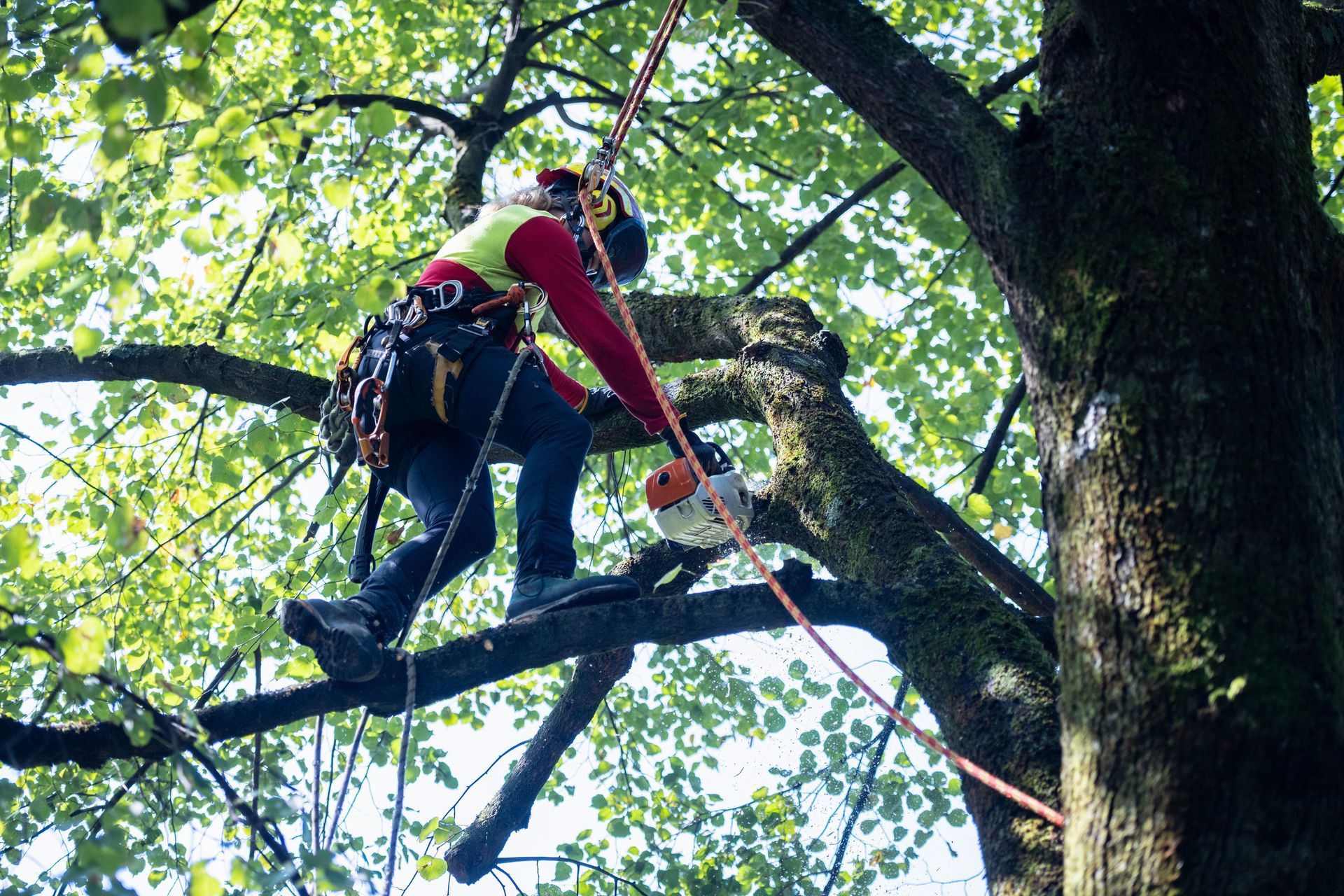
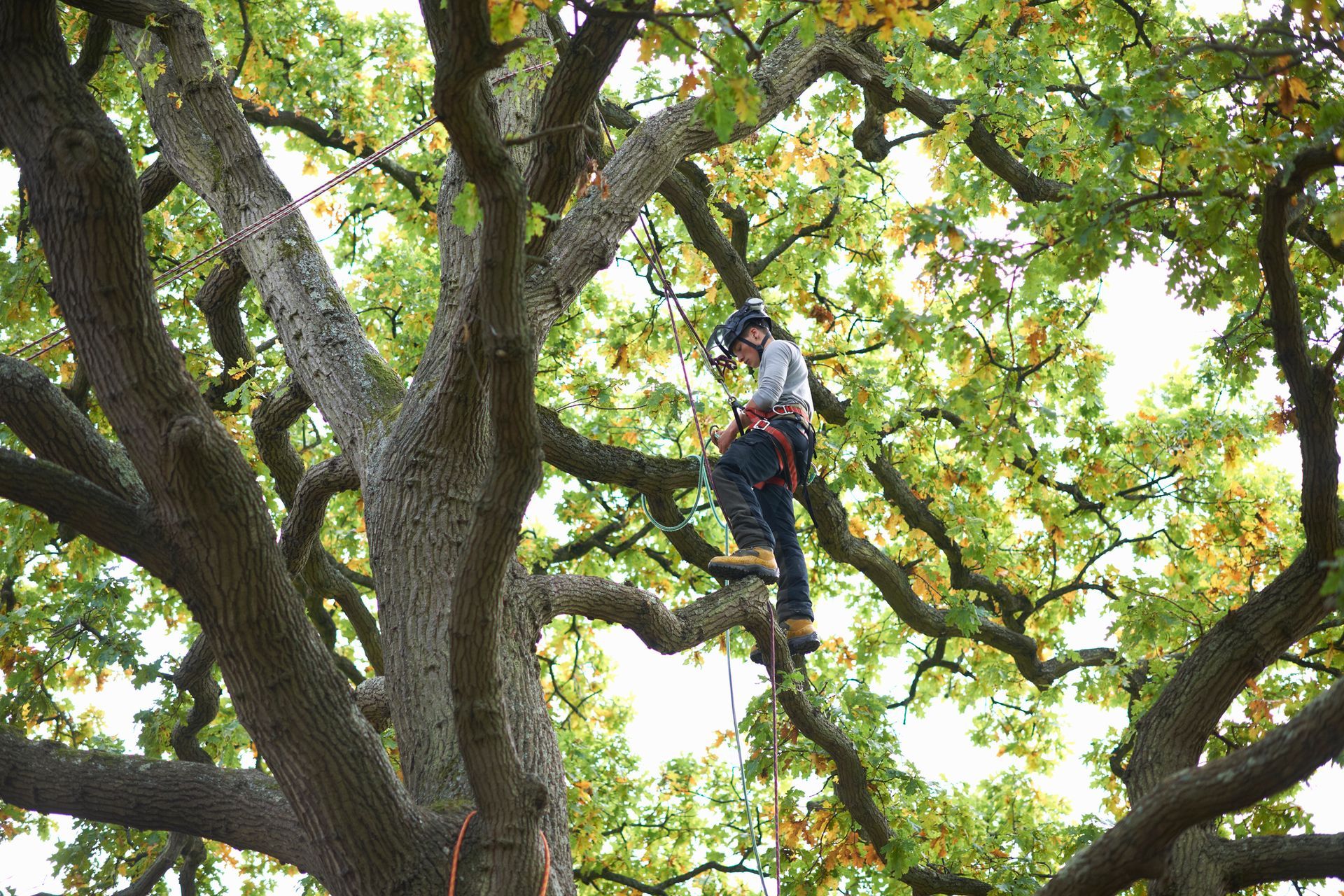
Handling your own trimming can make sense for small shrubs or low branches reachable safely from the ground. However, most tree trimming in Louisville involves mature hardwoods requiring climbing, heavy cutting equipment, and knowledge of proper pruning cuts that avoid damaging the branch collar or bark.
Improper cuts are a leading cause of long-term tree decline. Topping, flush-cutting, and removing too much canopy in a single season can stress a tree beyond recovery. Falls from ladders and contact with utility lines are also serious hazards. For any work above head height or involving large-diameter limbs, a licensed and insured professional arborist is the safer and more effective choice.
Ready to Schedule Your Tree Trimming? Let PJL Trees Help
PJL Trees serves Louisville, KY, and the surrounding Kentuckiana region with professional tree trimming performed by ISA Certified Arborists. Whether your trees need seasonal maintenance, storm damage cleanup, or a safety inspection before winter, our team is ready to help.
Check our Google Profile to read what local homeowners are saying about our work. When you are ready to get started, call us at (502) 895-5582 to request your estimate.